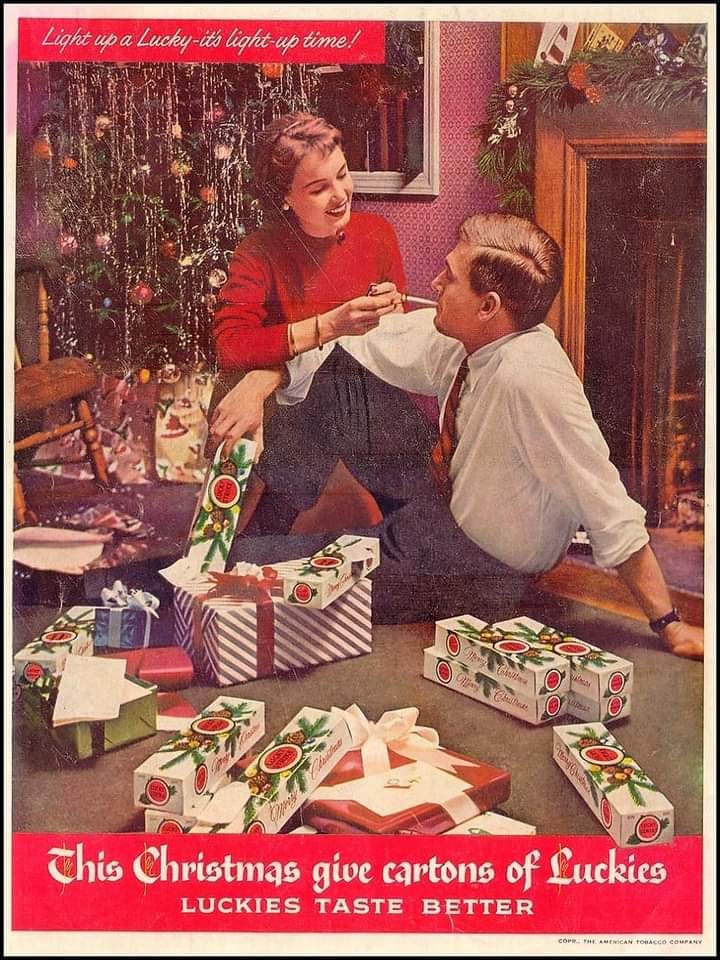
Laws are to be used only for interpersonal relationships that affect one person from the next one who is doing something onto them or against them or deriving their actions from them somehow but not for independent activities that do not depend or rely on others for performing them.
Smoking is an independent activity that can be performed by one person alone even if the rest would not exist or be around him. The reason it is claimed that smoking affects others is the fact of their presence around those who smoke and not the fact that they are smoking or lighting up a cigarette which happens independently of others and the rest.
So there you go that it is them who are present that forms the interaction and not you who is smoking being the problem. That is when they take the step to send you away or out to change your position rather than their own which is responsible.
Society is cohabited in the same space and it must be, not in a different one, and the right to free motion and healthy circulation of the individual for all must be respected by anti-smoking activists and proponents who exert their activism against other people and not only other things, because in turn people are not things. The video below proceeds into explaining why the set of those regulating activities is immoral:
This is John Stuart Mill. You might know him from his book ‘On Liberty’, in which he wrote “…the only purpose for which power can be rightfully exercised over any member of a civilised community, against his will, is to prevent harm to others. His own good, either physical or moral, is not a sufficient warrant.”
In two sentences Mill describes the Golden Rule that underpins a tolerant, free and liberal society. People have different tastes and preferences. If we prevent people from doing what they want, we’re probably going to make their lives worse. Making somebody’s life worse is immoral. It is also, in economic terms, inefficient.
Now I might think that you will have a better life if you read different books or marry a different person or believe in a different God. But it would be wrong of me to use force to impose my way of life on you. We’ve got the hang of this whole freedom thing when it comes to issues like religion, sexuality and free speech, but for some reason we have a blind spot when it comes to activities that can pose a risk to our health.
Mill wrote ‘On Liberty’ in response to the censorious fanatics and temperance killjoys of his own day. But paternalists still walk among us. These days they don’t call themselves paternalists. They call themselves public health campaigners. Most of what they campaigned for doesn’t actually involve public health. Obesity is not a public health issue. It’s a private health issue. So too is drinking alcohol and smoking tobacco. Vaping and gambling are not even private health issues, but the public health lobby gets involved with them all the same. Can these activities affect other people? Of course, it can, and we have the tools to deal with that. But paternalists don’t really object to these things because they can affect other people. They object to them because they affect the individuals who engage in them. We are told for example that too many people smoke, too many people are overweight, too many people drink above the government’s guidelines. But that judgement can’t be made by anybody other than the individual.
Maybe I want to drink above the guidelines. They are after all only guidelines. Maybe I think that being obese is a price worth paying for not having to watch what I eat. Maybe I like smoking so much that I accept the health risks as part of a rational trade-off. Now you might say I’m making the wrong choices, but so long as I’m informed about the risks, my decisions shouldn’t be infringed upon.
In fact, there’s a very good reason to give more weights and my preferences because it’s my life, not yours. I know what I like, and you don’t. I know how much risk I’m prepared to tolerate, you don’t. This is why it’s a bad idea to have anybody else, especially the government, making decisions for informed adults.
If a person chooses to do something, it is because they get benefit from it – what we call consumer surplus. If you make it impossible for them to do it or make it more expensive or even just make it less convenient, you are reducing their consumer surplus. You’re making their lives worse. And because nobody else gains from them losing out, you are reducing the overall welfare of society. You are making the world worse. And that’s why the nanny state is not just a nuisance. It is fundamentally immoral.
Mark Snowdon from the I.E.A. in London, Institute of Economic Affairs.
 Bring Back Smoking Freedom