During a period and time that marks the 20th and sad anniversary of the world’s first smoking ban in Ireland in 2004, which corresponds to workplaces which are almost all public interior spaces, the time has been set for the second reading of the Tobacco and Vapes Bill in the House of Commons, which includes an incremental tobacco sales ban to future generations, as the 16th of April 2024, which is when MP’s return from their Easter Holiday and for many may be their first day at work after that.
All Labour Party MP’s and a proportion of the ruling Tory party’s MP’s are expected to vote for the bill that will “make it an offence” to exchange money for and sell tobacco products to those born on or after 2009, although it is not one unless they are underage; especially when assuming that the money to be exchanged has been earnt by those adults who are those who will decide where it will be spent. Indeed, placing young teenagers and children in the same category as adults who were born on or after 2009 is the reason this draft sees and declares for not selling them tobacco, and this is disputed very seriously by society.
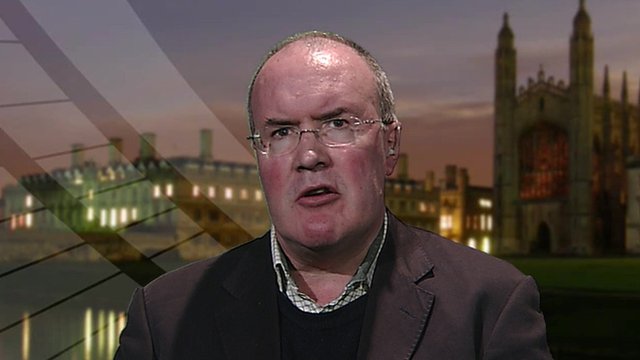
Speaking to The Guardian which reportedly has not published his response, the director and Chairman of smokers’ rights group FOREST which is based in Cambridge, Simon Clark, speculated about raising the minimum age required to buy tobacco to a constant of 21 instead of an increasing variable and said that
Based on what has been reported and what we’ve heard, we have reason to believe that up to 100 Conservative MPs may oppose the legislation, but clearly that will change after they have read the bill in full. Whether the scale of opposition goes up or down will almost certainly depend on the Government’s willingness to compromise, raising the age of sale from 18 to 21, for example, instead of imposing a ban on all future generations of adults. Either way, many Tory MPs are undoubtedly unhappy, with one telling us privately that he was happy to pledge his ‘hard-line opposition’ to what he called the government’s ‘mad cap plans’.
Simon Clark
In relation to the first reading of the draft which took place in the House of Commons on the 20th of March without having a debate, FOREST’s response has been that the people are those who must decide on the draft by placing it in the ruling party’s manifesto before holding the next general election:
The government has no mandate to ban the sale of tobacco to adults. The policy has never featured in a single election manifesto, and less than a year ago the government dismissed the idea as ‘too big a departure’ and said it wasn’t going to pursue it. What’s changed, apart from Rishi Sunak’s increasingly desperate attempts to leave a personal legacy? No-one wants children to smoke, but the idea that government should take away people’s freedom to choose long after they have grown up is absurd. Instead of rushing this vanity project through parliament, the prime minister should include the policy in the Tories’ election manifesto and let the people decide.
Simon Clark
The point made by Simon Clark’s statement above would imply of course that since the Labour Party is almost all but certain to win the next general election that the generational tobacco ban would be voted in by them with the parliamentary majority they would acquire. Exactly the opposite of what Simon Clark is expecting. Although it forms the precondition for the people to decide on the draft by having an election before its vote, the election is nevertheless a parliamentary one and the majority of the parliament and its will does not identify with the majority of the general public on this instance, especially since smoking is a self-sustained activity about which each person including the votes casted in parliament will speak in relation to themselves, and this is the trap about what Simon Clark hopes for with his statement. Either asking the people or asking some of them in parliament. The sample of 650 members of the elected lower house of parliament is neither large enough to sample the majority of the country and therefore represent it, and votes casted on independently sustained activities express the free will of those who contributed their opinion without placing them above the rest in relation to performing a judgement, representing anyone above of themselves or deciding what is right against wrong between two right options whose choice is preferentially subjective.
 Bring Back Smoking Freedom
This is something those in Tobacco Control have been waiting for for many years. I hope freedom prevails and this odious legislation fails.
LikeLiked by 1 person
It is everyone’s hope indeed. Only Rishi Sunak who has no taste and knows nothing about what he is proposing supports this hopefully on his own. Like it was scrapped in New Zealand the same should happen here. Maybe Reform UK will win the election like they won the European election. Why can’t all those people who voted for Reform UK in the European election do the same in the domestic election? I guess that they can and they don’t want to. It is a deliberate move from tobacco control to sabotage the birth of young people and the change of the generation into the next one who can appreciate what smoking is and what is right against what others have done wrong. They want to curtail those who are young, the next generation from their dreams and aspirations for a better world without tobacco control or any form of control. Tobacco control is a dictatorial term and dictatorial terminology. It is similar to state control, police-state control, control of the masses under the exchange of the law and of law-enforcement instead of setting them free. This is the ugly face of dictatorial autocracy and authoritarianism. And antismoking proponents have convinced Rishi Sunak who has got nothing to do or knows nothing about smoking to pursue this and have even given or promised him money to do so if he “gets the job done” or if he “gets the job through parliament”. Imagine how he will be rewarded by those antismoking outcasts with what he is doing or if he “succeeds” in doing so in terms of by how much, and how much they will all take home with them. It seems as if money is also in the middle.
LikeLike
Let’s hope and pray it does not go through!
LikeLiked by 1 person
Although hoping and praying is not enough it is all that we from the outside of parliament can do. The members of the parliament will be taken use of and made to vote for binary logic. They can say there is an intermediate compromise but on the same question they can only accept or reject the same binary logic, which makes them a sample of only 650 respondents who will decide the fates of 60 million others based on their preference and opinion revolving around themselves. Don’t you understand that this is unfair and that something has to be done about it and prevent the government from making use of the parliament to impose its will onto the rest and issue scripted commands to citizens by means of the law, its punishment and the control it has over both? These are not accepted as social rules and they should not become the law based on the selective choice of only one individual deciding about all the rest. But that is what the political system of monarchy is about, which has made it easier for them to issue commands to citizens. I don’t approve of what’s happening and I actually would condemn it in public. Think that having a monarch in your country means that you cannot run for president, that you cannot exercise your right to be elected to the post of the head of state, and the right to be elected is inalienable and should be respected for other people by the monarch. But these commands do not originate from the monarch, they originate from one of the ministers in his government. That comes close enough to suppose that the monarchy in Britain, Australia and New Zealand enables this minister to issue commands to the rest by taking advantage of the law and the parliament and by abusing his political power to turn it against those who elected him.
LikeLike