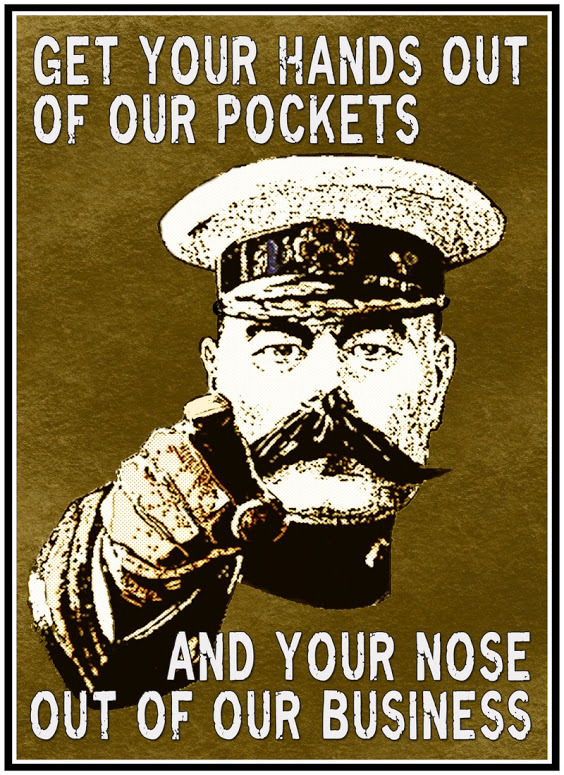
In Ireland the price of cigarettes rises by a constant 50 cents of a Euro every year and that appears to be happening excluding the inflation on the product which is counted in anyway and rises its price independently of the 50-cent rise. In Great Britain the price of cigarettes goes up by 2% over the inflation rate every year and surprisingly the rocket price that was given to cigarettes rose in the middle of the fiscal year again following the inflation rate as if the price wasn’t already disproportionately too high in comparison to the item that is exchanged.
On top of all you may find airport stores or WH Smith’s that sell cigarettes even higher than the scandalously elaborate retail price as if again that was not overvalued because it constitutes over three times the cost-price of the same item or product.
In France cigarettes already cost €15.50 as they do in Ireland, the Netherlands and Belgium and in Australia and New Zealand this is six-times the cost-price and four times the retail price that is rationally recommended by common sense making it 35 New Zealand or Australian dollars unaffordable for most everyone out of the average wallet.
Especially in New York City from the rest of the United States the 13-dollar cigarette price imposed by its former mayor Michael Bloomberg in combination with the council-rented residential smoking ban which violates the right to the asylum of the private residence create an environment the average income person will be inclined to move out from to rescue their finances and economics.
This raises the question of whether money itself is destined to be used in this way to achieve the predesignated target of dissuading cigarette consumption. Apparently some people who are leading the way find that paying ten British pounds to obtain a packet of 20 cigarettes is responsible enough to do, but what would be more responsible is paying half of that and using the rest for something else. And since it is not responsible for making the correct use of money the price for any good of the market which is never as evil as cigarettes are portrayed to be by the tobacco control industry and the healthcare industry must be valued at cost-price plus a narrow margin for profit and tax, which does not mean the vast majority of the price going towards taxation or the profit made out of its sale.
This situation puts anyone through financial insecurity except if they are very rich and makes the rest feel guilty of their expenses. It also disadvantages the poor and the less well-off disproportionately, for whom there is an income gap which is not even being helped in the right way that it should be eased off in society. If a person smokes one packet a day he would spend £300 on cigarettes every month which would make £3600 a year and spend more working hours for smoking than they work to achieve the rest of their activities which is vastly unfair and uneven.
The fact about whether somebody smokes should not be used to tax that person more than the rest as it was applied in the middle ages and used to happen through history when the king taxed the masses and confiscated their land and property arbitrarily and smoking status is still an arbitrary criterion and the same behaviour and activity unconstitutional, indecent and unacceptable. Taxes must be collected and distributed fairly and not only from smokers or from them as if they were double in number.
 Bring Back Smoking Freedom