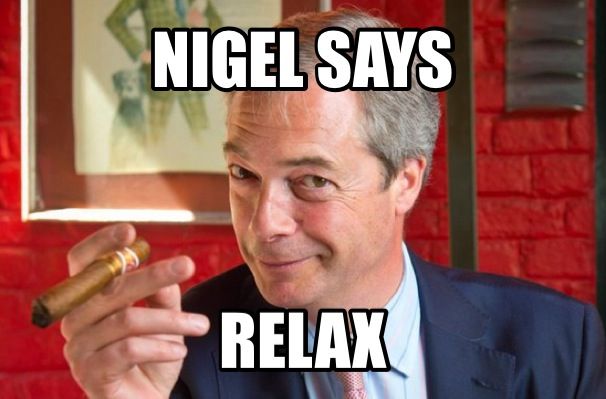
As Nigel Farage’s Reform UK party, which opposes any such restrictions, leads opinion polls as a favourite to take power for the 2029 general election, the current British Labour government is preparing to ban tobacco purchases by young people who will reach adulthood in the future after the legislation that regulates this will enact itself.
It is recalled that Nigel Farage’s Reform UK party, which came third in number of votes in the elections on the 4th of July, 2024 after the ruling party and the main opposition, has only 5 seats due to the First Past The Post electoral system and the third party in number of seats is still the Liberal-Democrats from which Reform UK gathered more votes.
The “tobacco and vapes” bill has already been approved by a majority of seats in the lower House of Commons and is slowly making its way through the upper House of Lords and its next stages of ratification into its third reading, and will ban the purchase of tobacco by future generations of citizens born after 2009. The prohibitive bill was approved by the lower House of Commons on the 26th of November, 2024 by 415 votes in favour, 47 against and 188 abstentions and passed into the amendment stage and its third reading and consideration by the House of Lords.
Simon Clark, chairman of the British smokers’ rights association FOREST, which is campaigning against the bill, said the day before the vote: “A generational ban on the sale of tobacco is unnecessarily divisive because it will create a two-tier society in which some adults have different rights to others. Eventually it will create the absurd situation whereby a 40-year-old can purchase cigarettes and other tobacco products, but someone born a few days later could be denied the same right. MPs need to think very carefully about the unintended consequences of raising the legal age of sale of tobacco. Denying future generations of adults the right to buy cigarettes and other tobacco products legally won’t stop people smoking. Creeping prohibition will simply drive the sale of tobacco underground and into the hands of criminal gangs and illicit traders.”
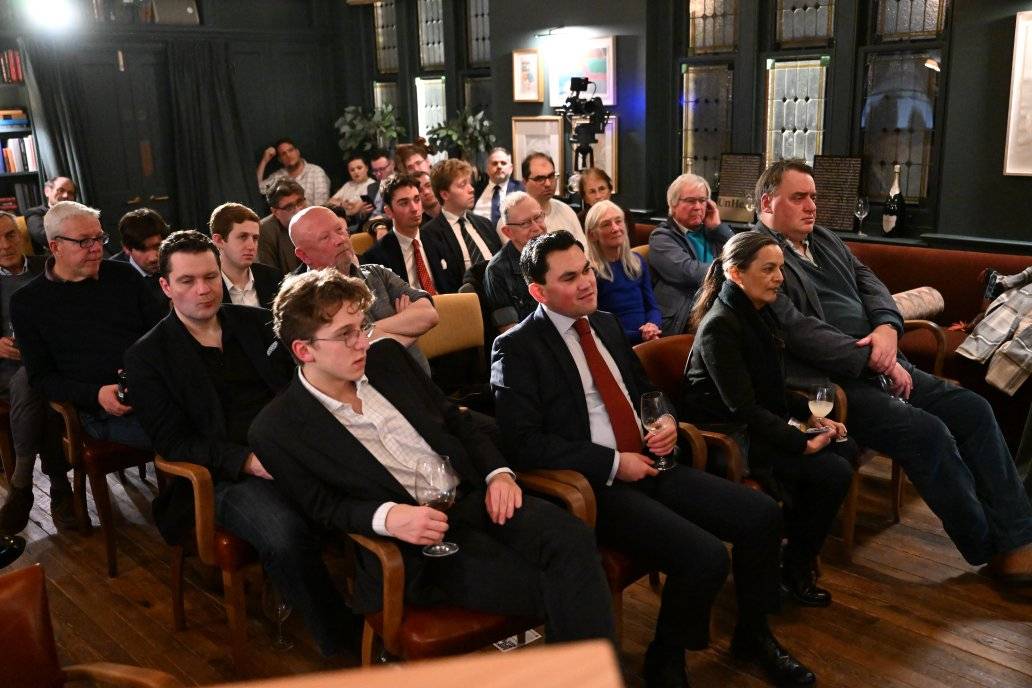
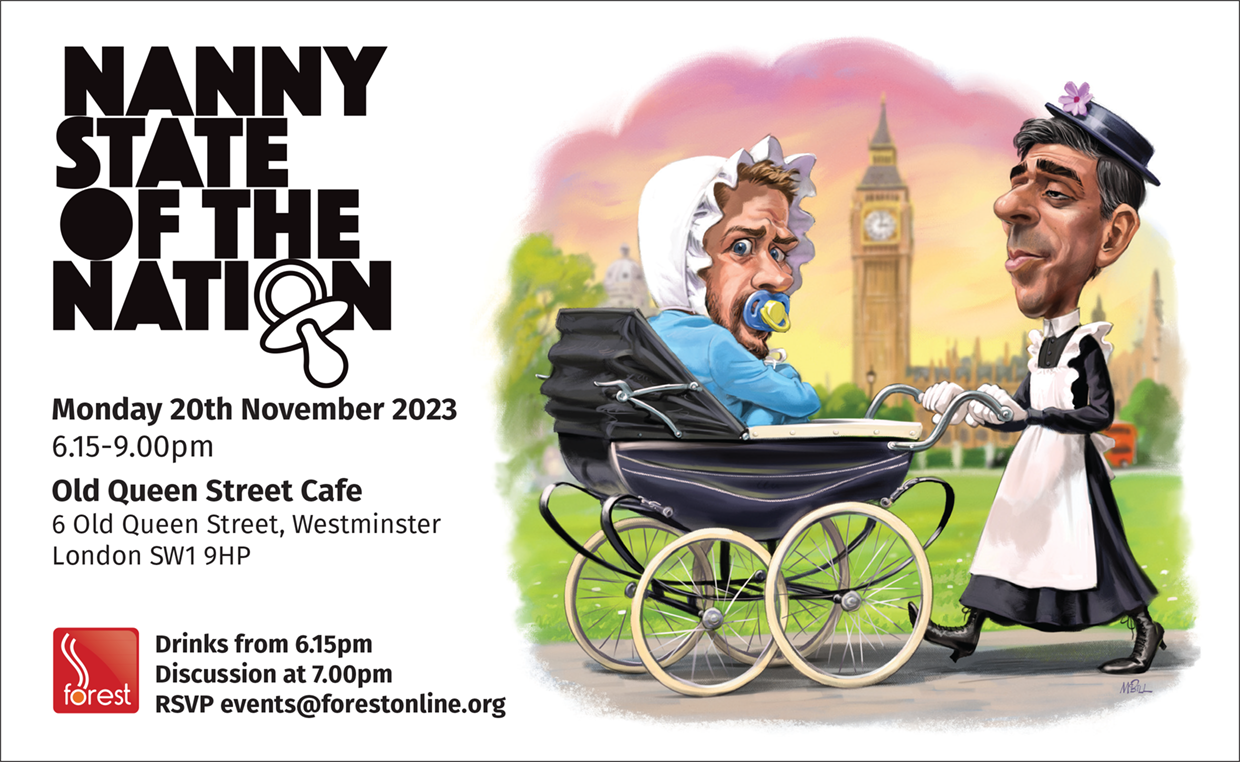
At the same time, the British smokers’ rights association FOREST commissioned and conducted polls at regular intervals proving the opposition of the majority of Britons to the ban on buying adult tobacco. The most recent poll from the latter part of 2024 showed that 60% of the population opposed the ban and only 31% supported it with 9% as undecided.
As if the enforced seizure of the tobacco market and its purchases, punishable for young people who come of age after its entry into force with the “tobacco and vapes” bill, would not be enough, it would require shops to obtain a special licence to sell tobacco to previous generations where this would be allowed until they deceased. The special licence scheme for shops to sell tobacco is already in place in Scotland and the Tobacco and Vapes Bill is working on this extending across the UK.
It was the prime minister of Britain’s previous Conservative government, Rishi Sunak, who signaled his desire to emulate New Zealand, which legislated the same restriction on the 13th of December, 2022, before the next current coalition government it acquired after the last election abolished it. The repealed New Zealand bill also required a mandatory special licence to sell tobacco and drastically reduced the number of shops that had it. But the identical “tobacco and vapes” bill passed by Rishi Sunak through Britain’s lower House of Commons coincided with an election won by Labour.
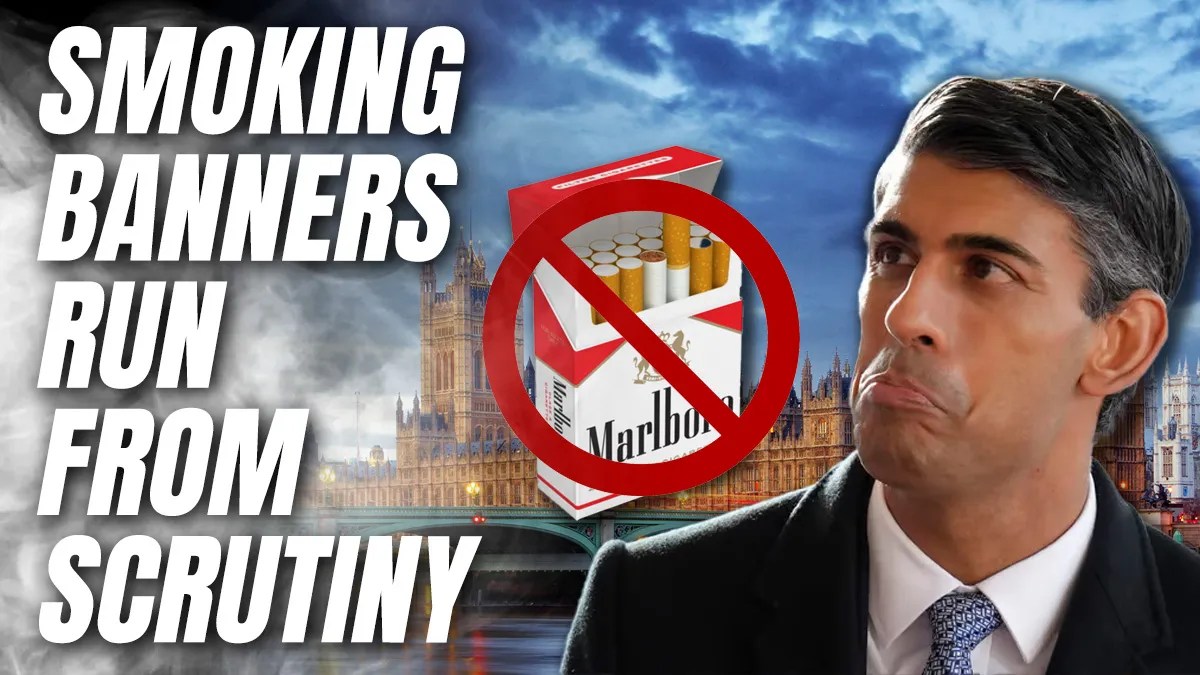
Britain’s Labour Party, as more sympathetic to anti-smoking policies and restrictions and the one that imposed the country’s first anti-smoking law, continues to support the “tobacco and vapes” bill that it had to rewrite with the same fury as Rishi Sunak. After Prime Minister Keir Starmer and Health Secretary Wes Streeting received a letter calling for the cause from Cancer Research UK, The Royal College of Physicians and most importantly Action on Smoking and Health (ASH), they included the “tobacco and vapes” bill as an item in the King’s speech opening parliament.
“While the government’s justification for the ban is rooted in public health, the policy also raises potential legal implications and unintended consequences”, tobacco industry journal Tobacco Asia said in an article. “By creating a system where older individuals can legally purchase tobacco while younger generations cannot, the ban may face challenges under the Equality Act 2010, which prohibits age discrimination. Furthermore, the tobacco industry may dispute the ban under World Trade Organization (WTO) rules, arguing that it creates unfair trade barriers.”
“The introduction of age-restricted tobacco sales is also expected to significantly impact the UK’s illicit tobacco market”, continues the journal article from Tobacco Asia. “To effectively enforce the ban and prevent illegal distribution to restricted age groups, robust enforcement mechanisms will be necessary. To address the potential rise in illicit tobacco trade, the government has allocated over £100 million in funding over the next five years to bolster the enforcement capabilities of HM Revenue and Customs (HMRC) and Border Force. If the legislation is approved, the smoke-free generation policy is set to take effect on January 1, 2027.”
 Bring Back Smoking Freedom