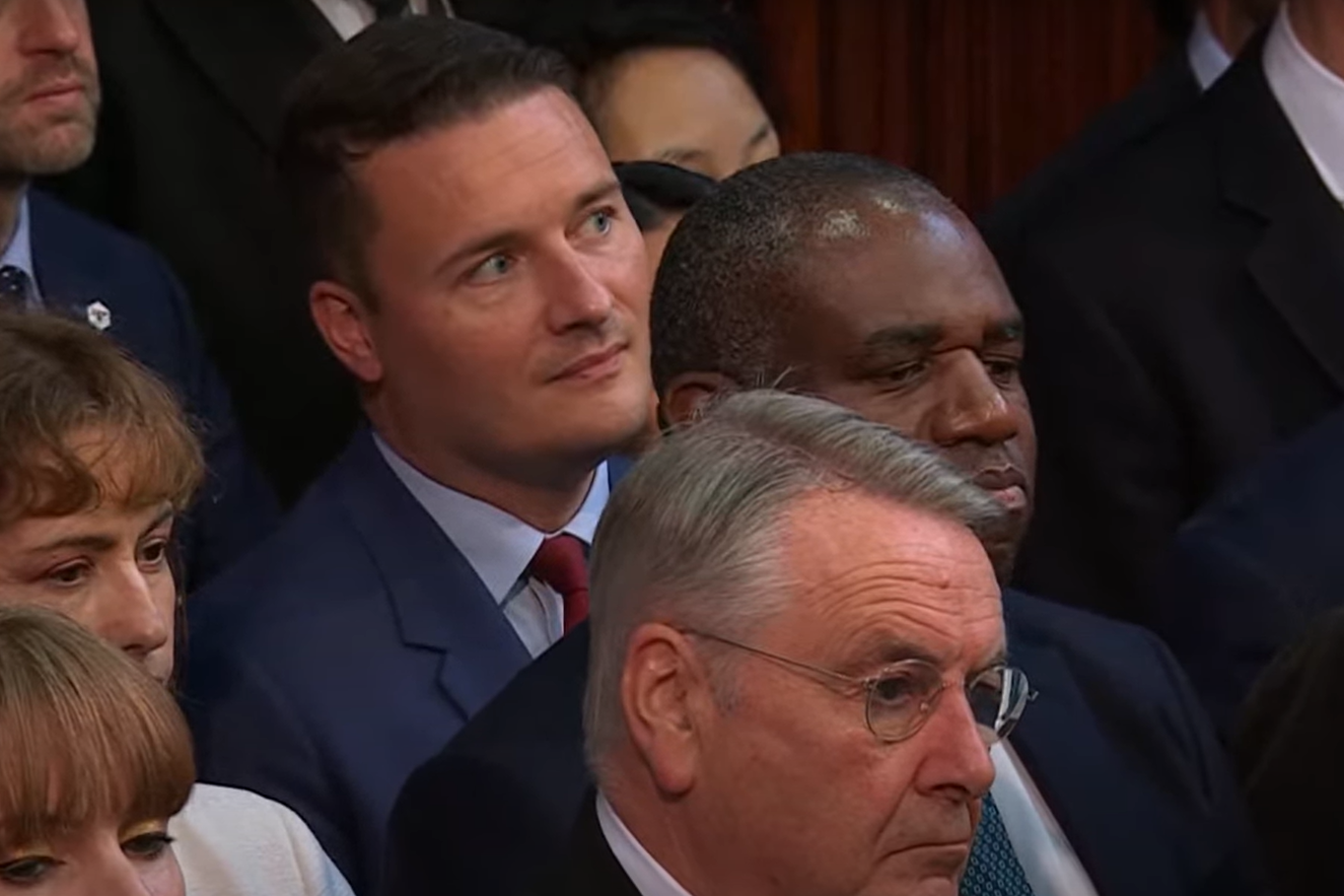
The Tobacco and Vapes Bill, which will ban the sale of tobacco to those born after 2009, who will become adults after its pursued enactment, has passed its second reading through the lower house of parliament, going through the majority of the House of Commons with only 47 MP’s casting opposing votes against it, with the newly-elected Conservative Party leader Kemi Badenoch being among them.
The bill received 415 votes in favour of promoting it to the next legislative process in the House of Lords and third reading and 47 votes against it with 188 blank votes or abstentions. One of those who voted against the bill was the newly-elected Conservative Party leader Kemi Badenoch. There is separate legislation to ban the sale and use of disposable vapes coming into effect next year in 2025.
“The Tobacco and Vapes Bill provides the protection that children and young people need to avoid a life imprisoned by addiction.” said Health Minister Wes Streeting ironically juxtaposing the imprisoning nature of the bill’s provisions for citizens.
Reform UK leader Nigel Farage who represents the constituency of Clacton-by-Sea, simultaneously announced on GB News that he was not in the chamber voting on the bill rather than debating national issues on television. Nigel Farage MP also said on GB News that he anticipated the bill would pass in his opinion with or without his vote being cast.
The bill has been revised by the current government and adopted after it was defunct due to proclaiming the last general election by the previous Conservative government which brought it to the House under Rishi Sunak’s leadership and initiative.
The current Labour government has decided to pursue its enactment after the health minister Wes Streeting and prime minister Sir Kier Starmer were probed for doing so by Action on Smoking and Health (ASH), the Royal College of Physicians and Cancer Research UK reading a joint letter from those entities addressed to them, who then decided to include it in the King’s Speech at the state opening of parliament.
The bill is planned to undergo further scrutiny by the House of Lords and its third reading through both houses, whilst the affirmative vote it received from the lower house does not implicate the bill’s enactment into law.
 Bring Back Smoking Freedom