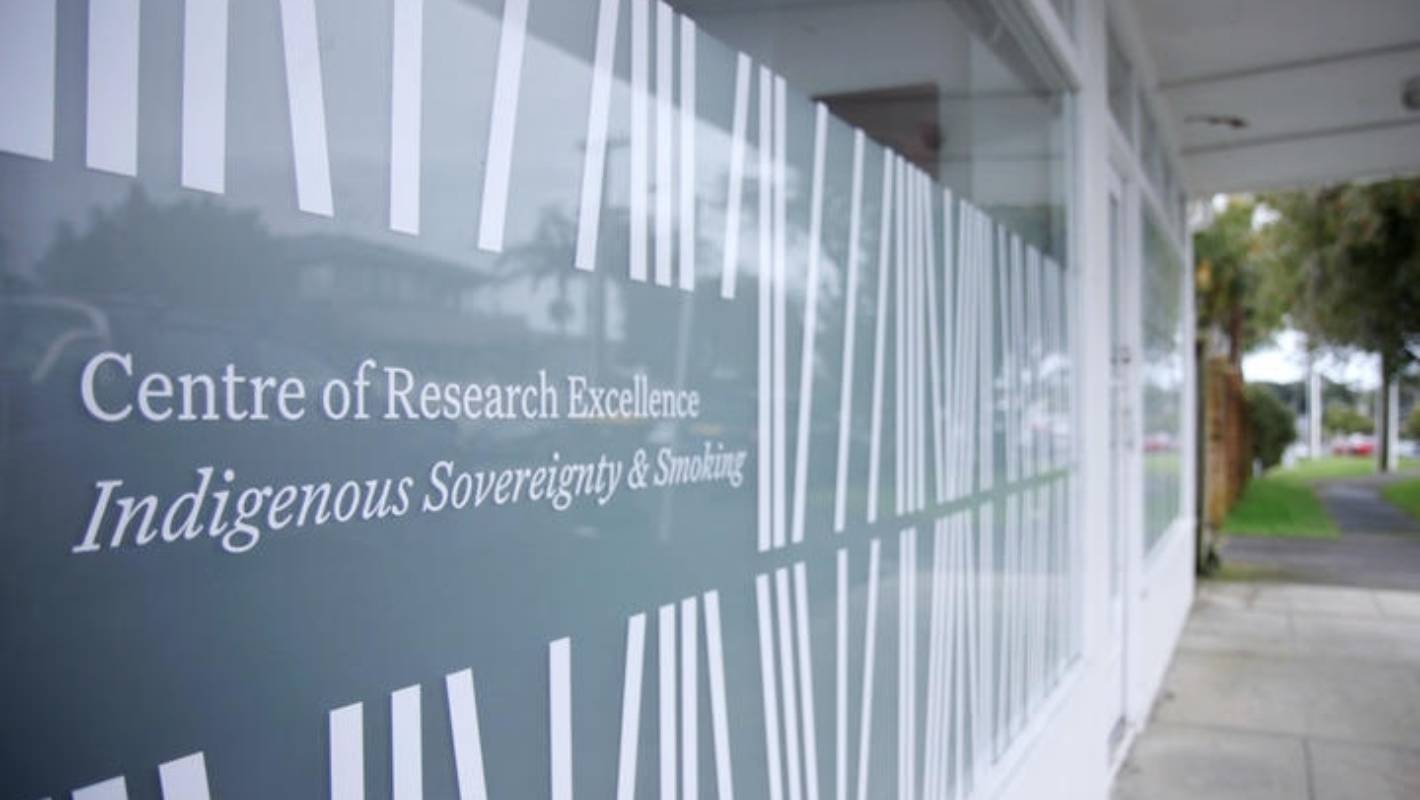
Indigenous New Zealand head of the Philip Morris indirectly funded COREISS Centre of Research Excellence – Indigenous Sovereignty and Smoking Marewa Glover gave an interview to Canada’s Regulator Watch Network on behalf of the World Nicotine Forum from Warsaw in which she reveals the strict New Zealand anti-smoking legislation along with vaping as a derivative of one another which indigenous New Zealanders are forced to adhere to alongside the island’s Anglo-Saxon settlers.
Mareva Glover suggested that smoking cessation programs coerce their target patients by urging them to stop using e-cigarettes after quitting smoking without continuing to use vaping using transients as a derivative of one another for the recursive cessation of both.
Mareva Glover explains that the legislation in New Zealand refers to the deregulation of vaping which should not be perceived as a normal social activity without prestige and appeal. As this is how smoking was treated which according to similar texts and provisions should not provide regular social engagement for the public. Rather, smoking and vaping should be seen as exceptions rather than the social norm according to government policy in these countries. Something that is often neglected to take into account with extremes is that society did not form the corresponding state but that they co-exist side by side.
Marewah Glover refers to the New Zealand government’s land-wracking attempt to gradually increase the tobacco purchase threshold by making it variable for those born before 2008. Something that this government policy needs to wake up to is voting of laws by parliament representing the people and voters.
So that the proposed bill with the above proposal will be proposed to parliament later this year and includes proposals to limit the nicotine levels in overtaxed cigarettes to 0.05% in order to reduce their addictive properties and by extension the frequency of use and reducing the number of their retail outlets from 8,000 to just 500 while only 9% of New Zealanders smoke as 450,000 people down from 550,000 out of 5 million population.
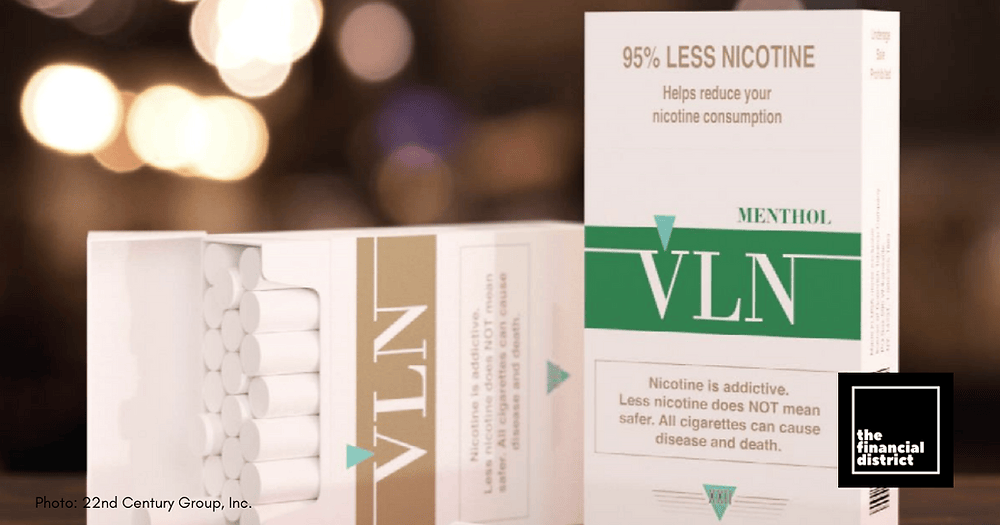
The 0.05% minimum nicotine proposal in the New Zealand bill quickly gained support from US maker VLN King’s 22nd Century tobacco which contains 95% less nicotine than regular cigarettes and is designated as a reduced risk product by the US Food and Drug Administration that is competent after 2009 instead of the corresponding market law. Similar tobacco products would cost the lowest price compared to the rest when everything is grossly overtaxed costing 30 NZ$ (and AU$) equal to £17 and €20 but usually containing 25 pieces.
The founder of the COREISS centre talks about the presence and representation of drug harm reduction at the GFN22 conference in Warsaw, which was fundamentally different from tobacco harm reduction.
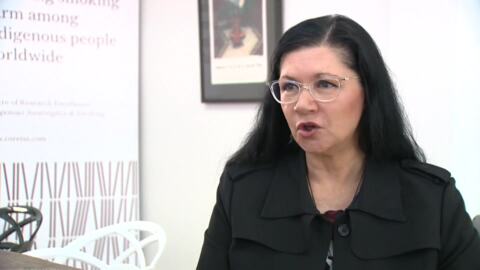
Marewa Glover is a medical and pharmacological researcher specializing in smoking cessation. The institute she founded and directs COREISS – Centre of Research Excellence – Indigenous Sovereignty and Smoking received in 2018 funding of one and a half million US dollars from the Foundation for a smoke-free world which is financed with 10 billion dollars in twelve annual instalments from Philip Morris. The aim of the institute is to reduce the harm caused by smoking among native New Zealanders and the related study and research. The founder was the third candidate for the person of the year 2019 from New Zealand.
 Bring Back Smoking Freedom